If you’ve spent any time in watch forums or Reddit threads lately, you’ve probably noticed a pattern: someone asks “should I buy this in the US or wait until my trip to Tokyo?” and the majority of people reply “TOKYO, OBVIOUSLY” before the original poster even finishes typing.
- The Weak Yen Is Doing a Lot of Heavy Lifting
- Tax-Free Shopping Makes It Even Sweeter
- Second Hand Watches Japan Online: The World’s Best Pre-Owned Market
- Is It Safe to Buy Watches From Japan?
- Used Watches in Japan: Volume and Rarity You Won’t Find Elsewhere
- Why Are Watches Cheaper in Japan?
- Japan Luxury Watches: Which Brands Actually Make Sense to Buy There
- Buying a Watch From Japan to US: What You Actually Need to Know
- So, why people buy their Watches from Japan?
Japan has quietly become the world’s favorite place to buy a watch, especially a luxury watch, whether it’s brand new, pre-owned, or something you didn’t even know existed until you saw it in a Nakano Broadway display case.
So what’s actually going on here? Oh, and this trend is not actually new.
The Weak Yen Is Doing a Lot of Heavy Lifting
The single biggest reason Japan feels like a watch discount store right now is simple: currency math. The Yen has been weak against the Dollar, Euro, and British Pound for a good period of time, and since most Japanese dealers price everything in Yen, that weakness works like a built-in coupon for anyone converting from a stronger currency.
You’re not getting a special deal because the dealer likes you. You’re getting a deal because of exchange rates, and that’s honestly the best kind of deal because nobody has to negotiate anything. Or it can be bad if you live for negotiations.
Tax-Free Shopping Makes It Even Sweeter
Here’s a bonus most first-time visitors don’t think about: if you’re in Japan as a tourist, you can skip the 10% consumption tax on luxury purchases. Areas like Ginza and Nakano Broadway are full of shops set up specifically for tax-free tourist shopping.
Stack that 10% savings on top of a favorable exchange rate, and on something like an Omega, a Grand Seiko, or a Rolex, you can genuinely save enough to cover your plane ticket. Your watch basically pays for your trip. Try explaining that logic to your partner, it usually works.
One thing I need to mention though, don’t believe that you will go to Japan and buy a watch way cheaper. I know the prices are in Yen and it’s a difference when you make the conversion, but if it’s a desirable model, the sellers will adjust their prices in Yen accordingly!

People are not stupid, just remember that.
Second Hand Watches Japan Online: The World’s Best Pre-Owned Market
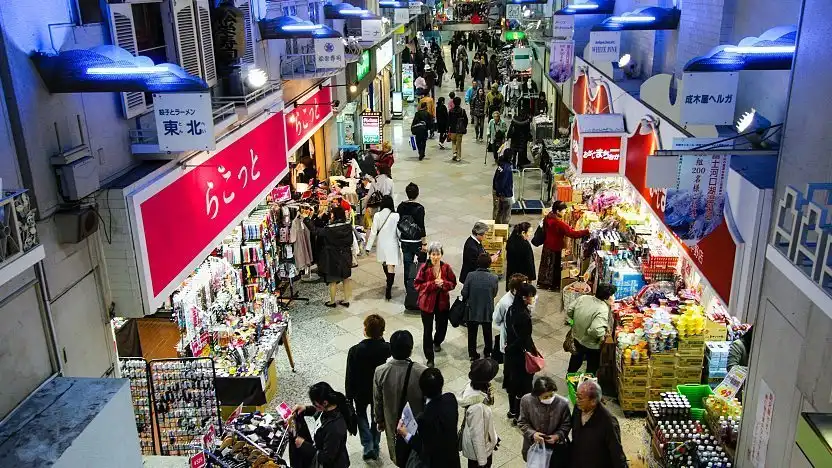
This is where Japan really separates itself from everywhere else and why I also recommend buying pre-owned watches from Japan. Japanese culture has this deep respect for personal belongings, and it shows up in how watches get treated over their lifetime. The result is a secondhand market that’s honestly hard to compete with.
“Mint” Actually Means Mint
Pre-owned watches in Japan get graded, and a watch marked “Rank A” or “S” condition genuinely looks and feels new. Original box, stamped warranty papers, the whole package. Compare that to buying “excellent condition” secondhand somewhere else, where “excellent” sometimes means “has visible battle scars but the seller is an optimist.”
Sellers Actually Tell You the Truth
If there’s even a hairline scratch on the case, it gets noted, photographed, and priced accordingly. Nobody’s trying to slide anything past you. It’s refreshingly boring in the best way. You know exactly what you’re paying for before it shows up.
And this is an amazing thing. It gives you extra peace of mind, knowing that you bought something and received it as it is described. This is rooted in their mentality. And I love it!
Is It Safe to Buy Watches From Japan?
Short answer: yes, probably safer than buying secondhand almost anywhere else in the world. Here’s why.
Japan has brutal legal penalties for anyone caught selling counterfeit goods, and police actively monitor pawnbrokers and the secondhand trade. That alone keeps a lot of shady behavior out of the market. On top of that, the big institutional dealers, names like JackRoad, Kame-Kichi, and Komehyo, employ trained watchmakers who authenticate every watch piece by piece before it ever reaches a display case. Dial, movement, every link on the bracelet, all is checked.
Compare that to the anxiety of buying secondhand somewhere with looser oversight, where you’re constantly worried about fakes or “franken-watches” built from mismatched parts. In Japan, that fear mostly disappears.
Let’s not forget that Yakuza is also from Japan, and I’m sure they have involved themselves in this business as well. But if you stick to the well known dealers you are more than fine!
I can speak from my own experience in this case. Four years ago I bought a Rolex Submariner from a reputable dealer in Munich. One year later, I had to send the watch for a small repair at Rolex. Guess what? It was a Franken-Watch!!! It wasn’t all bad, the only thing that wasn’t original was the Sapphire crystal. But still, I want my watch with original parts.
Used Watches in Japan: Volume and Rarity You Won’t Find Elsewhere
Japan is also one of the world’s biggest hubs for parallel imports and grey market trading, which basically means an enormous amount of watch inventory flows through cities like Tokyo and Osaka. Beyond the usual suspects, you’ll find things you simply can’t get your hands on back home, including:
- Discontinued vintage references that stopped being made years ago
- Rare “Japan-Domestic Market” (JDM) limited editions that never officially left the country
- Models with multi-year waiting lists everywhere else, sitting right there in a display case
If you’re a collector chasing something specific and obscure like the Rolex collaborations watches, Japan is often the only place you’ll actually find it, or at least the place where you get the most chances to find the watch you seek.
Let’s not forget that almost every industry has something exclusive for Japan, from music to cars, clothes etc. Watches make no exception.
Why Are Watches Cheaper in Japan?
To recap everything above in one small answer, since this is probably the question that brought you here: it’s the weak Yen, the tax-free shopping for tourists, and a hyper-competitive secondhand market all stacking on top of each other. None of these things alone would have an impact in normal markets, but combined, they add up to real savings, especially on “slow-moving” luxury pieces like Cartier, Tudor, or standard Omega models that aren’t causing a frenzy anywhere else.
But Not Everything Is Cheap
Here’s the catch nobody mentions in the threads: Japanese dealers aren’t naive. For ultra-hyped, genuinely scarce watches, think a steel Rolex Daytona or a Patek Philippe Nautilus, sellers know exactly what those pieces go for on the global market, and they price accordingly. So don’t expect a steal on the watches everyone else is also hunting for globally. The bargains are real, but they’re concentrated in specific categories, not across the board.
Japan Luxury Watches: Which Brands Actually Make Sense to Buy There
If you’re planning a trip and wondering where to focus your energy, the sweet spot is usually:
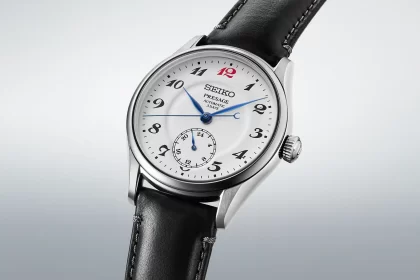
- Grand Seiko, since it’s a domestic brand and the selection is unmatched
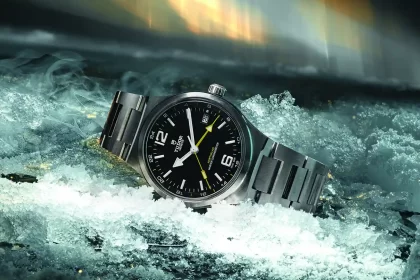
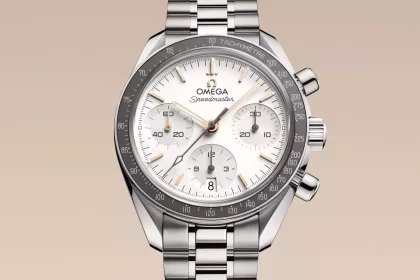
- Omega and Tudor, which often see real discounts thanks to the exchange rate
- Cartier, especially secondhand, where the “slow-moving” discount effect kicks in
- Vintage and JDM pieces, if you’re after something with a story and nobody back home has one
Save your Daytona or Nautilus buying for when you’re already there and can compare the prices in person, rather than expecting a miracle discount.
Buying a Watch From Japan to US: What You Actually Need to Know
If you’re not planning a trip and just want to buy online and ship it home, a few practical things matter:
- Customs and duty: Depending on the value, you may owe US import duty or tax when the watch arrives, so factor that into your “savings” math before you get too excited, you might get the watch at the same price in USA.
- Authentication documents: Reputable Japanese dealers include authentication paperwork and grading details, keep all of it in case you ever want to resell or insure the piece
- Shipping insurance: Always insure the shipment for full value, a watch worth a few thousand dollars is not the place to save on shipping fees. ANd if you plan to save on shipping fees, then you can’t afford the watch.
- Return policies: Check the dealer’s return policy before buying, since international returns can be a headache if the watch doesn’t match the listing
Buying online from Japan isn’t complicated, it’s just a few extra steps compared to buying locally, and most established dealers make the process pretty easy.
So, why people buy their Watches from Japan?
Japan earned its reputation as a watch paradise honestly. The weak Yen, tax-free shopping, an obsessively well-cared-for secondhand market, strict anti-counterfeit enforcement, and a wild variety of rare inventory all combine into something you don’t find anywhere else.
Just go in with realistic expectations: the deals are real on most watches, but the world’s most hyped models still cost what they cost, no matter which country you’re standing in.
Personally I haven’t bought, just yet, a watch from Japan, but I’m planning to. And in my case, I don’t want to buy it online, I want an experience, going there physically and return with a watch makes the purchase more enjoyable than waiting on my couch to be dropped by a parcel company.
So yeah, my recommendation is to make a holiday from it, visit Japan, return with a watch…or two.