


Horology Basics
Horology is the science and art of measuring time and studying timekeeping equipment, namely watches and clocks. For those new to the world of watches, understanding horology fundamentals is critical to appreciate the craftsmanship behind these complicated timepieces. Horology, a centuries-old subject, is fundamentally concerned with the design, manufacture, and maintenance of timepieces.
A watch’s fundamental function is to tell the time, but horology extends beyond that. Watchmakers power their timepieces with a variety of mechanisms, including mechanical movements, quartz movements, and digital displays. Mechanical movements, which include both manual and automatic winding, are widely regarded as the pinnacle of horological workmanship due to their complexity and the skill necessary to manufacture them.
A watch is comprised of numerous main components, including the mechanism, casing, dial, hands, and crown. The movement is the heart of the watch, responsible for keeping time, and the case protects the internal components. The dial shows the time, while the hands indicate the hours, minutes, and seconds. The crown is used to wind the watch and set the time.
Understanding these horology fundamentals is the first step toward gaining a deeper understanding for the art of watchmaking. Whether you’re a collector or just curious, knowing about horology offers you a whole world of interesting history, technology, and craftsmanship.
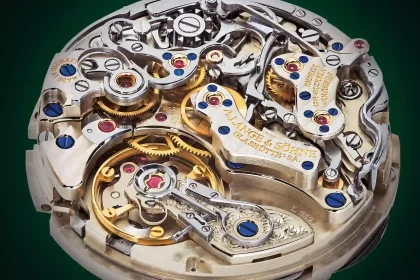
Watch Movements Explained: Mechanical, Automatic, and Quartz
A complete guide to watch movements: mechanical, automatic, quartz, and hybrids explained, plus servicing and how to pick the right…