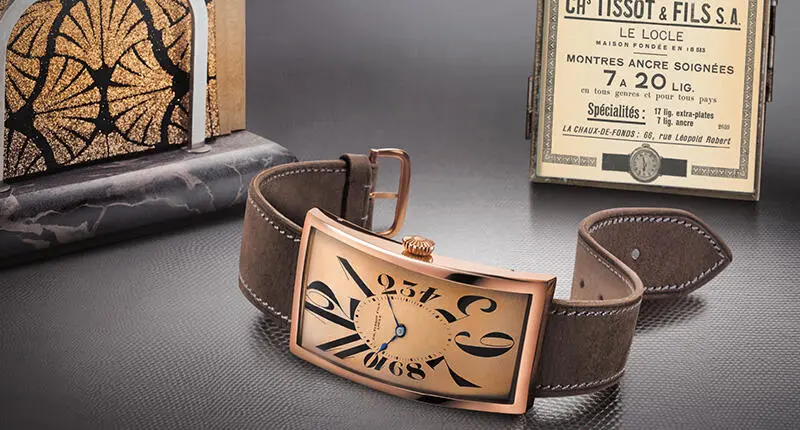

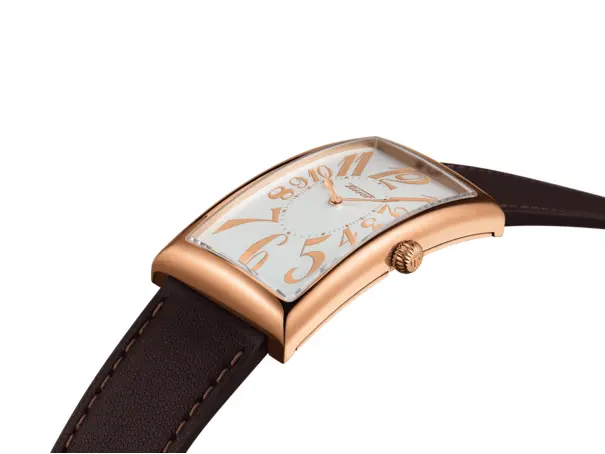
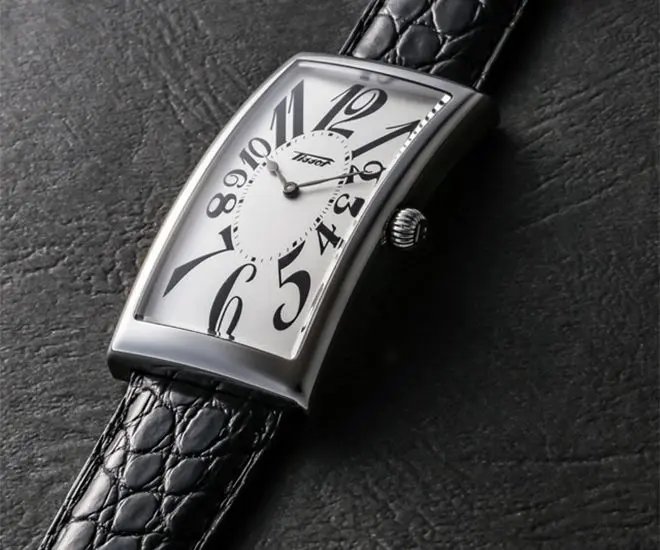
Tissot Banana is one of the watches that gave shape to what we are wearing today. It is one of the most distinctive watches, also with important history from Tissot. It became an iconic watch, but one that I think it has been forgotten. Even though in 2017, Tissot launched a centenary edition that echoes Banana watch.
But, I must be honest with you, I have never seen one in person. Banana is just a nickname, it comes from the unusual arched shape that embraces your wrist. Modern Tissot watches that have succes is the PRX line, with recently launched Tissot PRX 38 mm in Damascus Steel or full Titanium
Origins of The Tissot Banana
It first got introduced in 1916, maybe even 1917, it was hard for me to find the exact date, but all sources tell us the same thing, around 1916-1917- so we are going with that because around that time wristwatches started to become a thing.
Why did they become a thing? Well, the first World War, it was hard to have a pocket watch in trenches , so normally it’s more convenient to have a watch on your wrist. Who says wars bring only bad things? I’m jocking!!! War is bad, very very bad, like Trump would say.
So, World War 1, somehow forced the watch manufacturers to adapt and offer wrist watches because they were in demand.
Tissot which was founded in 1853 in Le Locle, already was an established brand due to the popularity that their pocket watches had, especially in Russia. Speaking about Russia, the Tissot Banana was designed for the Russian market mostly.
Well, why Russia? Because at that time, before the Revolution disrupted the trade, Tsarist Russia was a huge buyer of luxury goods, including Swiss Watches. And remember, Tissot was a hit in that period in Russia.
Of course, the watch wasn’t created for simple people like me or you (if we lived in those times) it was created for nobility, for high class society that valued functionality and looks as well. If GPHG had existed back then, I’m pretty sure that Tissot Banana would have been amongst GPHG winners , or at least a serious competitor that would have made the Official list of GPHG contestants.

Design and Features
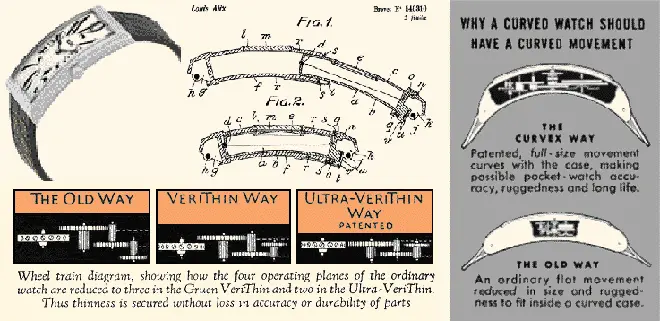
It’s not hard to guess how this watch got the nickname banana, his distinctive curved, rectangular shape that “huges” the wrist in a very ergonomically way. At that time, was a rare and forward-thinking feature.
Case Shape
Gently arched case, elongated ( typically around 27 mm wide and between 40-45 mm long) resembled a banana form which made the watch look very different for the common watches in that era. Majority of the watches were round or square. The curvature of the watch impoved wearabilitty especially on smaller wrists and it was an early example of ergonomic design in watchmaking industry.
Materials
Because it targeted the nobility of Russia, early models were crafted in precious metals like gold (yellow or white) or silver. Often the watch face was from enamel or at least detailing of the watch was from enamel. Later, some watch variants appeared and more affordable materials were used, like nickel or steel-this came after the production expanded.
Dial
The dial used to be very elegant, with Art Deco inspired elements, curved Arabic numerals which were often present at 12, 3, 6 and 9 ) and hands aligned with aesthetic trends of the 1910s . For the most sophisticated versions included a subsidiary seconds dials.
Strap
Not much to say about the straps, usually it came with a leather strap that would complement the design and the unusual (for the time) silhouette. Of course, it was an elegant watch, and after that it would be recommended to wear it with a suit. The leather strap would also offer a high level of comfort when it was weared.
Comparisons with Other Curved Watches
The Tissot Banana wasn’t the only curved watch in history, but it was one of the first. Let’s see how it stacks up against two other famous names.
Tissot Banana vs. Cartier Tank Cintrée
- Era – The Banana debuted around 1916–1917, while Cartier released the Tank Cintrée in 1921.
- Design Style – Banana leaned towards Art Deco, with playful curves and bold numerals. The Tank Cintrée embraced Art Deco, with cleaner lines and a sleeker silhouette.
- Market – Banana was aimed at Russian nobility, while the Cintrée catered to European high society.
Tissot Banana vs. Longines Evidenza
- Era – The Evidenza came much later (2003) but drew inspiration from 1920s curved watches.
- Design Style – The Banana was groundbreaking at the time, while the Evidenza was a modern tribute to vintage styling.
- Historical Impact – Banana helped pioneer ergonomic watch design, while Evidenza refined it with modern proportions and technology.
While Cartier and Longines produced stunning curved designs, Tissot was there first, pushing boundaries during a time when round cases were the norm.

Movement
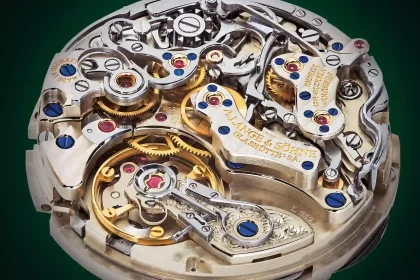
The Banana used to have a manual-wind mechanical movement and it was probably derived from the Tissot pocket watches calibers and adapted for wrist watches.
These movements were very reliable but simple, probably the only thing that wasn’t at the high standards of luxury for the target audience (the nobility of Russia). But yet again, i think Tissot put their accent more on craftsmanship and durability over complexity.
The Banana’s design was artistic and practical , in my opinion it was the perfect bridge that covered the gap between utility watches worn during the wars and jewelry pieces. Its curved case influenced a lot of watches that were released in the 70’s by other brands, especially the integrated-bracelet sports watches.
Cultural Significance
The Banana watch was way more than a timepiece, I would say it was a statement of Tissot’s global ambition at that time and their positioning in the luxury market. Also it was a statement of design ingenuity, it was innovation, it was a scream to the world and other watch manufacturers – “look at what we have done”.
But ultimately, focusing on a market that soon will die when it comes to western watches due to the Bolshevik Revolution, TIssot lost the edge and the chance to establish themself as a luxury and high horology manufacturer.
Tissot customised some models with Cyrilic inscriptions and imperial motifs catering to the tastes of the Tsarist elite. But as I said, the Bolshevik Revolution closed the market for TIssot.
If you concetrate on only one market, especially when it comes to watche, the other will forget about you. Of course, Tissot continues to be a big name even today, but I can’t stop thinking about what would have been if Banana were more focused on western markets. How Tissot would have looked today.
Surviving watches from that period are rare and highly prized by collectors, especially the ones from the Russian market. As I said, I’ve seen a lot of watches in my life, but never a Tissot Banana from that period.
The watch and Tissot also showed us their capabilities and mastery of wristwatch production, remember, it was a time when big brands from the Swiss industry were still trying to figure out and refine the transition from pocket watches.
The success of Banana helped solidify Tissot’s reputation as a forward thinking and solid manufacturer. And for sure it paved the way to the merger with Omega under the SSIH umbrella which later became the Swatch Group.
Legacy of the Tissot Banana
Tissot Banana is an iconic piece in the brand’s history and not only. I would say it’s an iconic piece in the history of watches even though it was produced only a short period of time due to the market dynamics. Its legacy lies in its pioneering design and historical context.
Influence
The curved case remains iconic till this day, it foreshadowed later Tissot design and influenced the trend of ergonomic watchmaking. It’s often cited as an early example of the form following function.
Tissot tried to revive the watch but not directly as they have not reissued the Banana. But its spirit lives in the heritage inspired collections from Tissot like the Heritage series.
For example, at the anniversary of Tissot’s 163 “birthday”, they released the Tissot Heritage 1936 (in 2016) and it echoes the Banana charm with a retro case and manual-wind movement, but it’s not a direct replica.
And it’s a missed opportunity, the history behind the watch would have helped if Tissot just replicated the watch and even called it Banana. I know I would buy one, and probably a lot of more people would have, You don’t just sell a watch to us enthusiasts, you sell us a story, you sell us History.
Original Banana’s are scarced, and in high demand especially in gold with intact enamel dials. But as I said, due to miss opportunity to hype the watch and Brand, prices at auction can vary-raging from $1000 to over $5000 – depending on the condition of the watch, materials and provenance. I think the ones that was destined for the Russian market might cost more due to their historical rarity.
Oh, and not to forget-one watch was sent in Switzerland for servicing and became a historical artifact due to tumultuous events that Followed. The watch was never returned in Russia due to the Soviet Regime imposing strict import bans making it illegal to ship goods-including that serviced Banana Watch.
That particular piece remains to this day in Le Locle at Tissot’s headquarters.
A piece of History and Missed Opportunity
The Tissot Banana is notable not just for the shape but for what it represents: Tissot’s ability to innovate during an important era of watchmaking. It combined the practicality (a wrist hugging design) with elegance (Art Deco styling), appealing to a niche with a lot of money and for collectors and enthusiasts.
It is an important part of Tissot History pre SSIH days, before the quartz Crisis and before the Swatch Group era reshaped the brand.
PS-I tried to reach out Tissot for some pictures. Of course, they ignored me with great success. Couldn’t find a picture of the original model. So, we have to stick with the Centenary Edition.